Background: what are food contact materials and why do regulations exist?
Food contact materials include everything from the paper bag your sandwiches go in to the kraft food container your curry is served in, the plastic lid on a coffee cup, and the wooden fork that comes with a takeaway salad. Because these materials are in direct contact with food, they must not leach harmful chemicals, inks, or other substances into the food at dangerous levels.
The regulatory framework for FCMs in the UK derives from retained EU law — principally Regulation (EC) No 1935/2004 — which sets out the general principles, and material-specific regulations that cover individual materials such as plastics, paper, ceramics, and active/intelligent materials. The Food Standards Agency (FSA) is the main authority responsible for FCM regulation in England, Wales, and Scotland; Food Standards Scotland for Scotland; and DAERA for Northern Ireland.
Source: Food Standards Agency — Food contact materials guidance
What’s required and who is responsible
| Requirement | Who is responsible | Notes |
|---|---|---|
| FCM must not endanger health, change food composition, or impair taste/odour | Both the packaging manufacturer AND the food business using it | The general principle under Regulation (EC) 1935/2004 |
| Written declarations of compliance (DoC) | Packaging suppliers (for plastic FCMs and some other materials) | You can request a DoC from your packaging supplier |
| Traceability of packaging materials | Packaging suppliers and distributors | Businesses must be able to identify where FCMs came from |
| Correct use of materials (e.g., not using non-food-grade containers for food) | Food businesses | Do not reuse industrial packaging or unmarked containers for food |
What this means for your business
For cafes and coffee shops
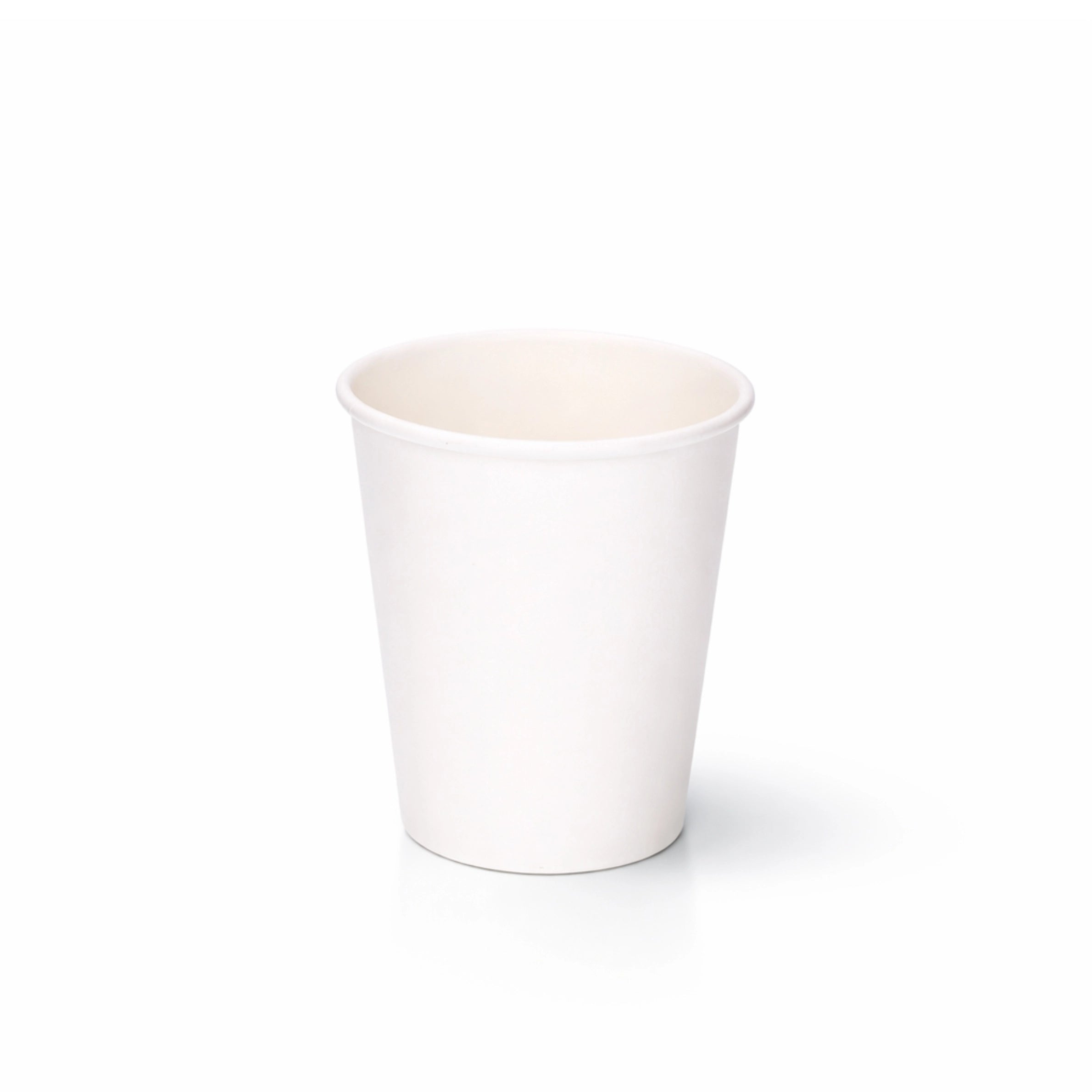
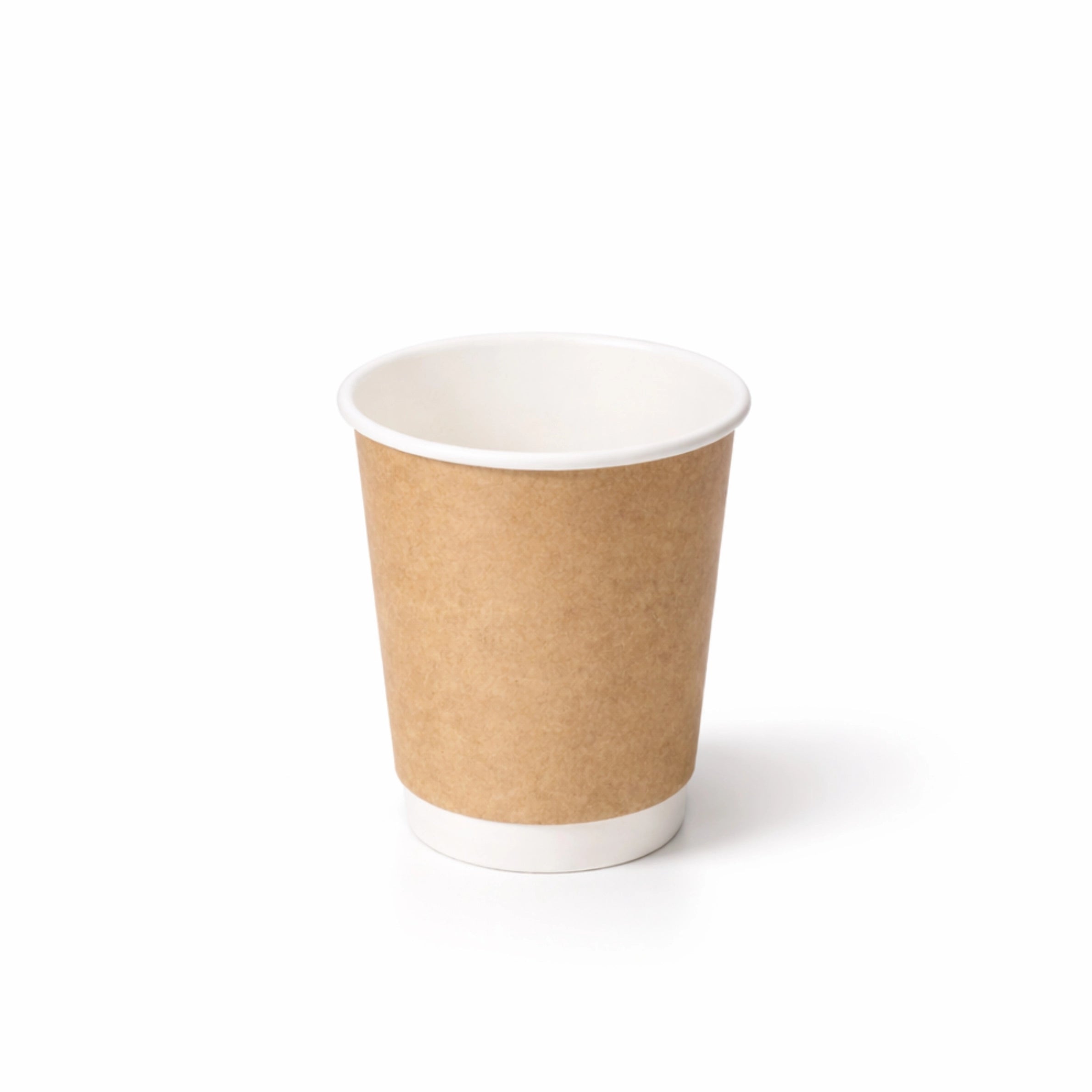
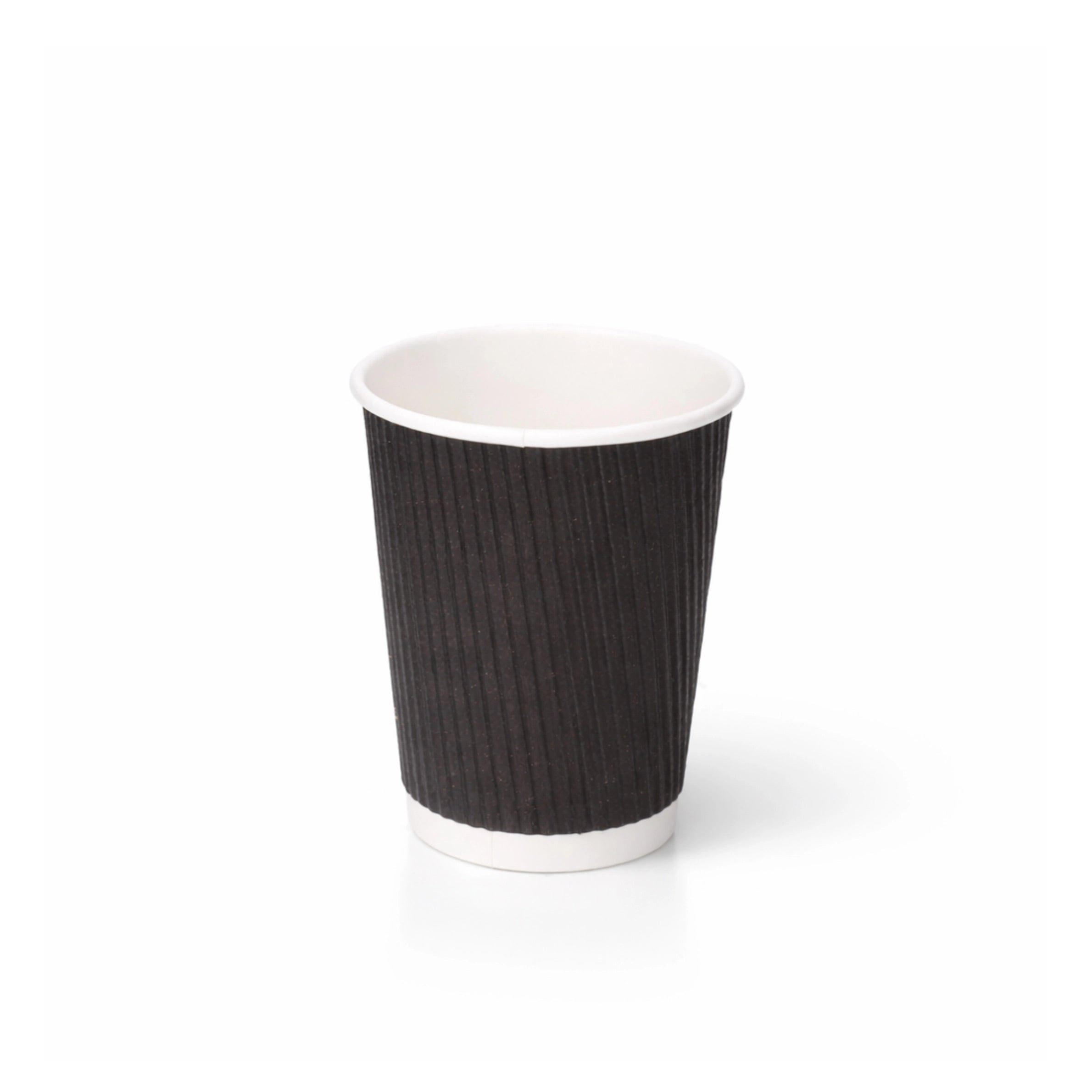
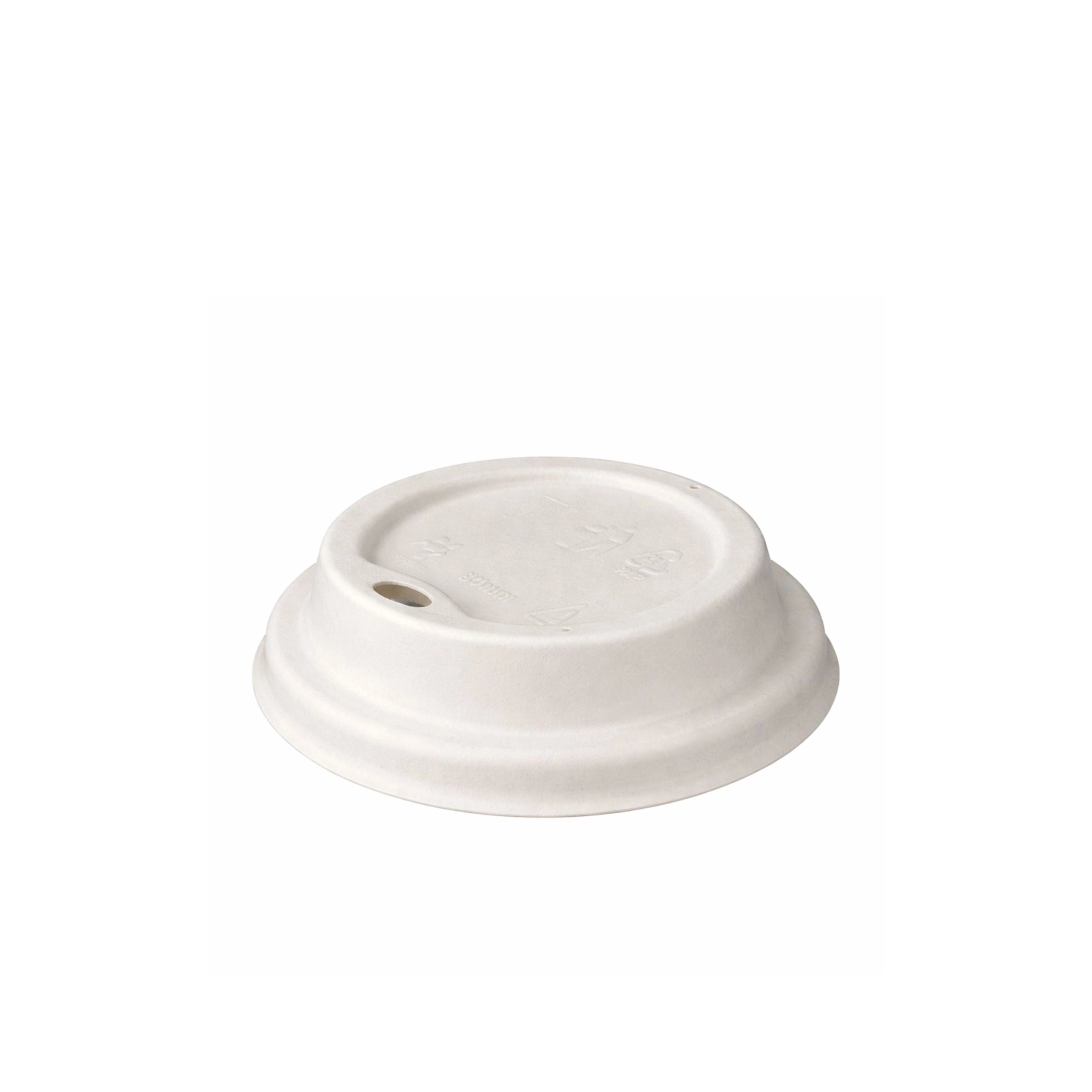
Your paper cups, lids, sleeves, and any food packaging you use must meet FCM requirements. In practice, any packaging sold by a reputable UK wholesale supplier specifically for food use will already be FCM-compliant — this is a baseline that suppliers must meet. The risk area is when businesses source packaging from non-food channels (e.g., general retail bags, industrial containers, or low-cost imports from unclear sources) without checking FCM compliance.
For restaurants and takeaways
Food containers, bowls, and bags all need to be food-grade. This should be confirmed by your supplier — and you can ask for a Declaration of Compliance. Wooden cutlery, paper containers, and kraft-based packaging from food-specific suppliers will routinely meet FCM standards, but it’s worth confirming if you’re sourcing from a new supplier.
What you should do now
- Buy from food-specific suppliers — All packaging from LumaPack is sold specifically for food use and meets food contact materials requirements. Avoid sourcing packaging from non-food channels (e.g., general craft stores, industrial suppliers) where FCM compliance isn’t guaranteed.
- Request Declarations of Compliance if needed — For any plastic packaging you use (cups, lids, sauce pots), your supplier can provide a DoC confirming FCM compliance. You’re unlikely to be asked for this during a routine Food Standards inspection, but it’s good practice to have it on file if you supply a significant food operation.
- Don’t reuse single-use packaging — Single-use food containers are designed for one use. Reusing them (e.g., washing and refilling kraft food boxes) may compromise their structural integrity and is outside their intended FCM compliance scope.
- Check compostable packaging claims — Compostable packaging must still meet FCM requirements. Certifications like EN13432 (compostability) are separate from FCM compliance. A compostable product can still fail FCM standards if it uses inks or coatings that leach harmful substances. Reputable suppliers will have both.
How LumaPack can help
All packaging sold by LumaPack is sourced for food use and meets applicable food contact materials requirements. Whether you’re purchasing paper cups, food containers, or bagasse packaging, you can be confident the products are food-grade. If you need documentation for compliance purposes, contact the LumaPack team directly.
Browse LumaPack’s food-grade packaging range — UK wholesale, free delivery over £100, 24–48h dispatch.
Frequently Asked Questions
What does “food grade” mean for packaging?
Food grade means the packaging meets the requirements to be in safe contact with food — it won’t transfer harmful substances into food at dangerous levels, won’t change the taste or odour of the food, and won’t endanger human health. Food-grade packaging is certified to meet food contact materials regulations and should only be purchased from suppliers who can confirm this compliance.
Do I need to ask my packaging supplier for a Declaration of Compliance?
For most small and medium food businesses, a Declaration of Compliance isn’t something you’ll routinely be asked to provide. However, if you supply food to large institutions (hospitals, schools, caterers) or if you’re subject to a supplier audit, it’s useful to have DoCs on file for any plastic packaging you use. For paper, kraft, and bagasse packaging, explicit DoCs are less commonly required but can be obtained from your supplier.
Is recycled paper food-grade safe for food packaging?
Recycled paper packaging can be used for food contact applications, but it must meet specific standards to ensure that no contaminants from the recycled content transfer into food. In the UK and EU, there are restrictions on the use of recycled paper fibres in food contact packaging, particularly for direct food contact. Reputable suppliers of food packaging use paper that meets these standards — if you’re uncertain, ask your supplier for confirmation.
Are compostable packaging materials food-grade?
Compostable packaging must still comply with food contact materials regulations. Compostability certifications (such as EN13432) confirm how the material breaks down, but not whether it’s safe in contact with food. Reputable suppliers of compostable food packaging ensure their products meet both FCM standards and compostability certifications. Always purchase compostable packaging specifically sold for food use.