Background: why do packaging sustainability certifications exist?
The market for “eco” or “sustainable” packaging has grown substantially in the past decade — and with it, the risk of greenwashing. Terms like “biodegradable”, “eco-friendly”, and “natural” are often used in marketing without any standardised definition or independent verification. Certifications like EN13432 and OK Compost exist to provide a verifiable, independently tested standard that packaging buyers can trust.
For UK food businesses, understanding these certifications matters because buying certified compostable packaging gives you a genuine, verifiable sustainability claim — which is increasingly important for customer trust and is relevant to future regulatory requirements around green claims. The UK Competition and Markets Authority (CMA) has been increasingly active in challenging unsupported environmental marketing claims.
Source: CMA Green Claims Code — GOV.UK
Key certifications explained
| Certification | What it means | Composting type | Who issues it |
|---|---|---|---|
| EN13432 | Packaging breaks down >90% in <12 weeks in industrial composting; no harmful residue | Industrial (commercial composting) only | Standard body (BSI in UK); tested by accredited labs |
| OK Compost Industrial | Third-party certified to EN13432 or equivalent standard | Industrial only | TÜV Austria (Belgium) |
| OK Compost Home | Breaks down in home compost conditions (>20°C, no turning) within 12 months | Home composting | TÜV Austria |
| Seedling logo (DIN CERTCO / TÜV) | Equivalent to EN13432; widely used on packaging in Europe and UK | Industrial only | DIN CERTCO or TÜV Austria |
| BPI Certified Compostable | US standard — less commonly used in UK but sometimes appears on imported products | Industrial | Biodegradable Products Institute (US) |
What this means for your business
For cafes and coffee shops
If you’re marketing your cups and lids as compostable — on your menu board, on social media, or verbally to customers — you should be able to back this up with a certification. CPLA lids and compostable cups from reputable suppliers carry EN13432 certification. Buying from LumaPack means you’re buying certified compostable products, not products that simply claim to be “eco.”
For restaurants and takeaways
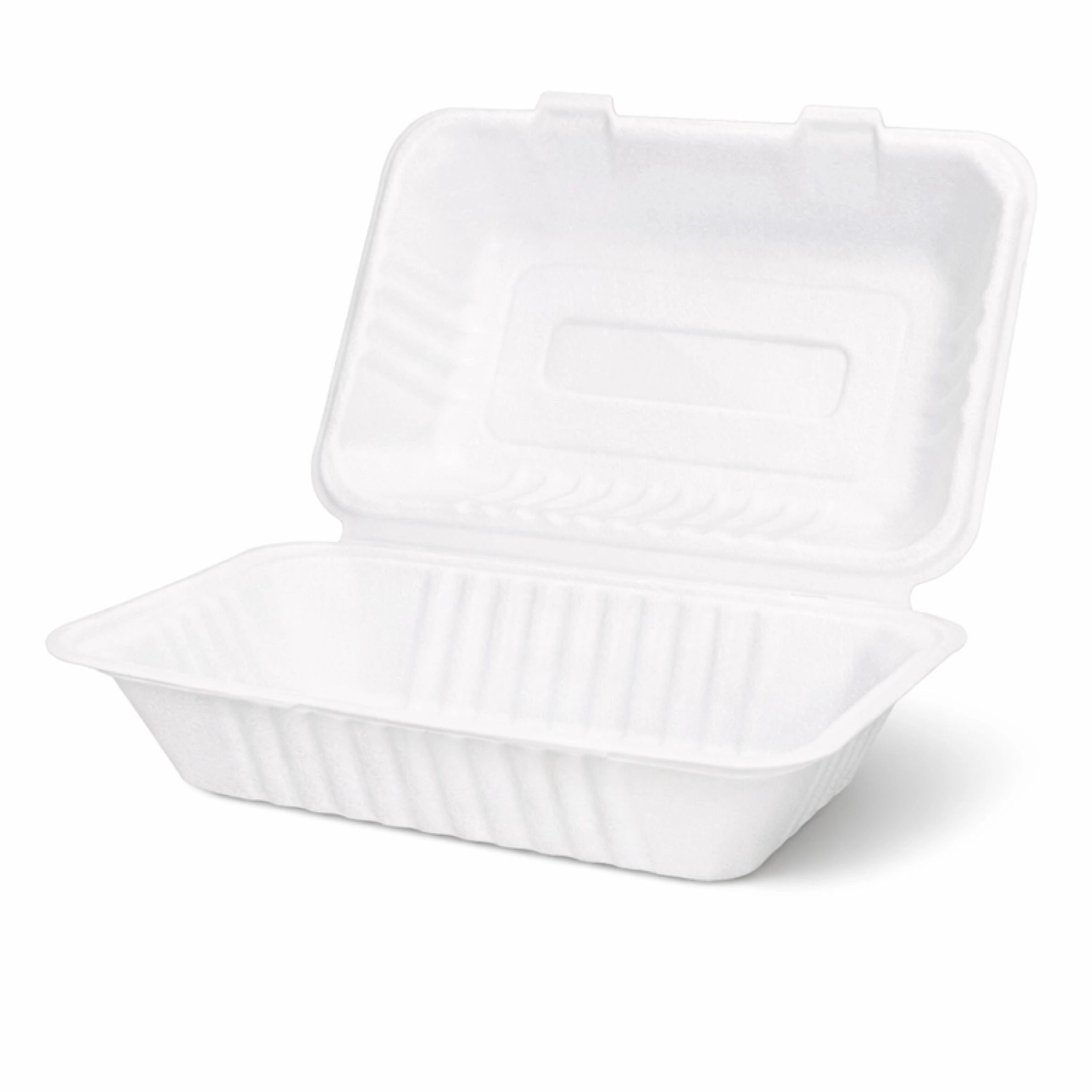
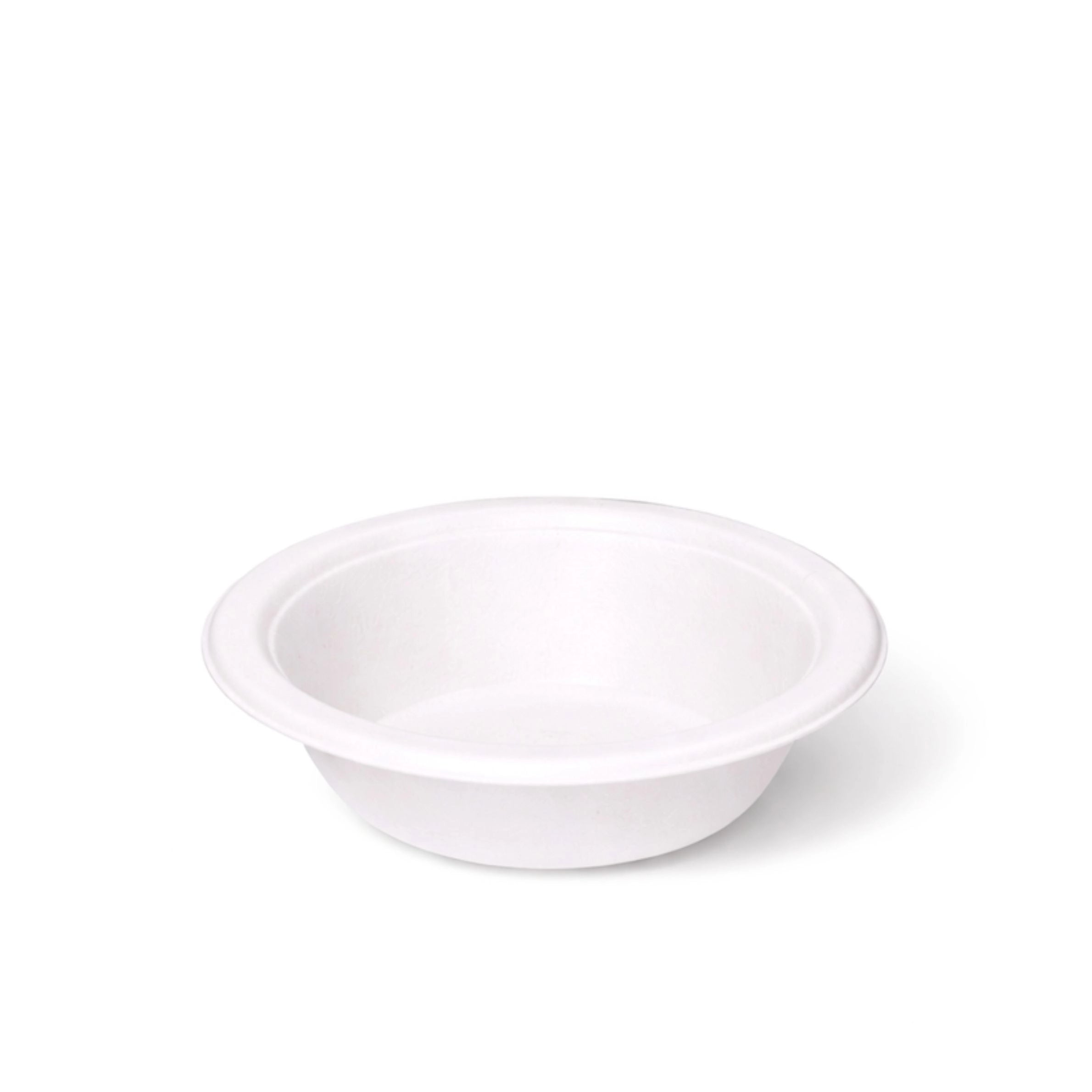
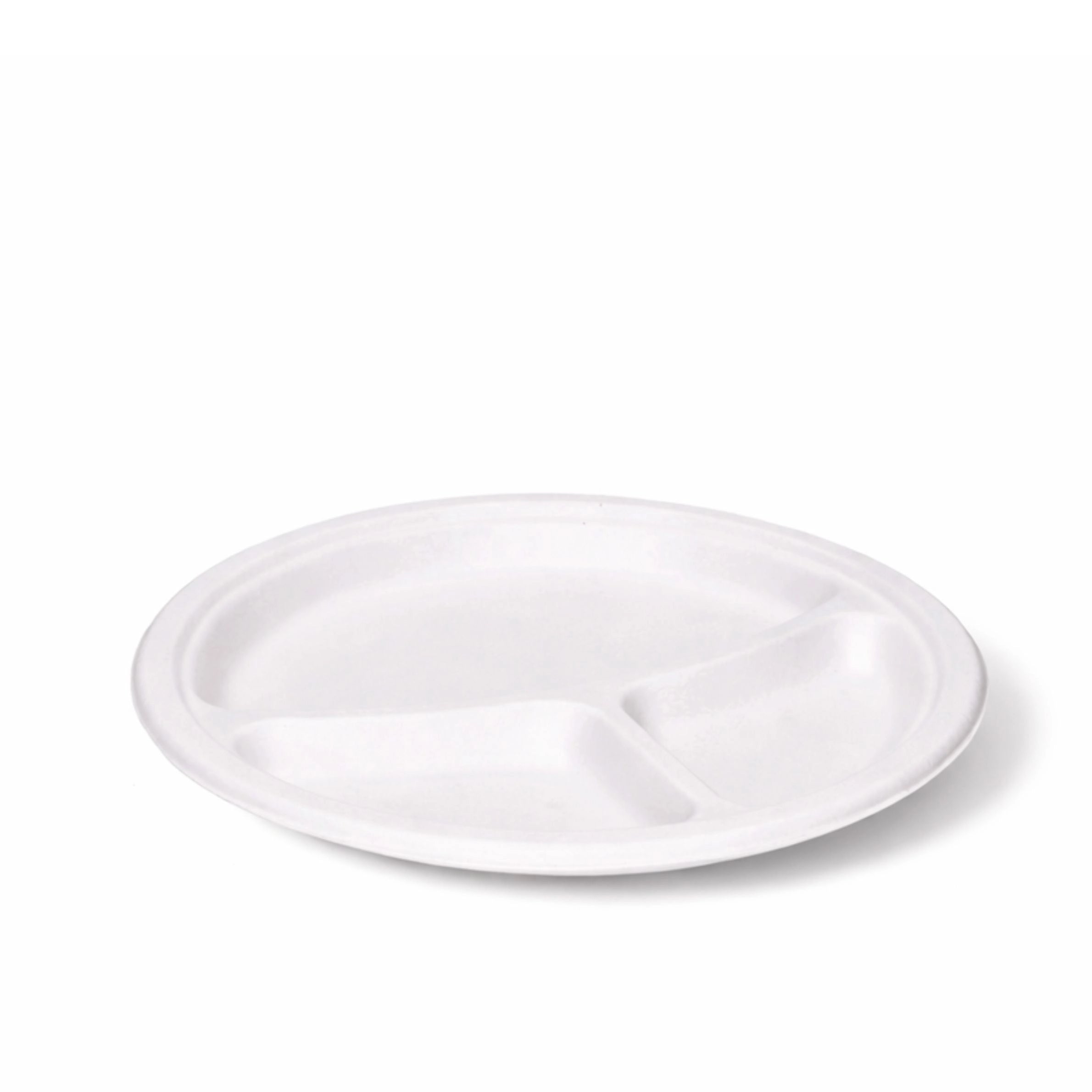
Bagasse plates, bowls, and containers are typically certified to EN13432 and often also carry OK Compost Home certification, giving your customers multiple end-of-life disposal options. If you display eco credentials in your marketing, make sure you’re referencing products with recognised certification rather than vague “natural material” claims.
What you should do now
- Check your current packaging claims — If you describe your packaging as “compostable”, “biodegradable”, or “eco-friendly” in any public-facing materials, verify that your packaging is actually certified. “Biodegradable” without a standard attached has very little legal meaning — virtually everything will biodegrade eventually. The CMA’s Green Claims Code requires that environmental claims are accurate, clear, and substantiated.
- Ask your supplier for certification documentation — Reputable packaging suppliers can provide documentation confirming EN13432 or OK Compost certification for their compostable products. If your supplier can’t produce this, reconsider whether their products are genuinely certified.
- Understand the difference between industrial and home compostable — If you’re telling customers they can home-compost packaging, make sure the products are certified for home composting (OK Compost Home), not just industrial composting (EN13432). These are different standards and different composting environments.
How LumaPack can help
LumaPack’s compostable product range — including CPLA lids, bagasse packaging, and compostable paper cups — is sourced from suppliers meeting recognised compostability standards. If you need certification documentation for specific products, contact the LumaPack team.
Browse LumaPack’s certified compostable packaging range — UK wholesale, free delivery over £100, 24–48h dispatch.
Frequently Asked Questions
What is EN13432 and why does it matter?
EN13432 is the European standard for industrially compostable packaging. Products certified to this standard must disintegrate by more than 90% within 12 weeks in a commercial composting environment and leave no harmful residue. It’s the most widely recognised compostability standard in the UK and EU and is the benchmark for genuine compostability claims in food packaging.
What is the difference between EN13432 and OK Compost?
EN13432 is the technical standard that sets the requirements. OK Compost is a certification mark issued by TÜV Austria that shows a product has been independently tested and verified against those requirements (or home composting requirements for OK Compost Home). A product bearing the OK Compost Industrial mark has been third-party verified to EN13432 — it’s a more reliable indicator than a product that simply claims EN13432 compliance without independent verification.
Can packaging be both recyclable and compostable?
Some packaging materials — particularly moulded fibre and paper-based packaging — can go in either the paper recycling stream or a composting facility, depending on the local infrastructure available. However, plastic-based compostable materials (like CPLA or PLA) cannot typically be recycled in the plastic stream — they must be composted. Always follow the end-of-life guidance for your specific packaging type.
What does “biodegradable” actually mean for packaging?
In the context of packaging, “biodegradable” has no standardised legal definition in the UK and can therefore be applied very loosely. Technically, almost all materials will biodegrade eventually — the question is how quickly, under what conditions, and whether any harmful residue remains. “Compostable” with an EN13432 or OK Compost certification is a much more meaningful and verifiable claim. Be cautious about packaging described only as “biodegradable” without a certification reference.