What is bagasse packaging?
Bagasse is the fibrous plant material left over after sugarcane is crushed to extract its juice. Instead of being discarded, this waste material is pressed into moulds to create plates, bowls, boxes, and trays. The result is a sturdy, heat-resistant, compostable packaging material with a distinctive natural appearance — cream-coloured or light grey, with a slightly textured surface.
Bagasse products are industrially compostable (certified to EN13432) and in many cases home compostable too. They’re microwave-safe, grease-resistant, and work well with both hot and cold food. Because they’re made from agricultural waste rather than new timber, they’re considered a more sustainable material source than virgin wood pulp paper.
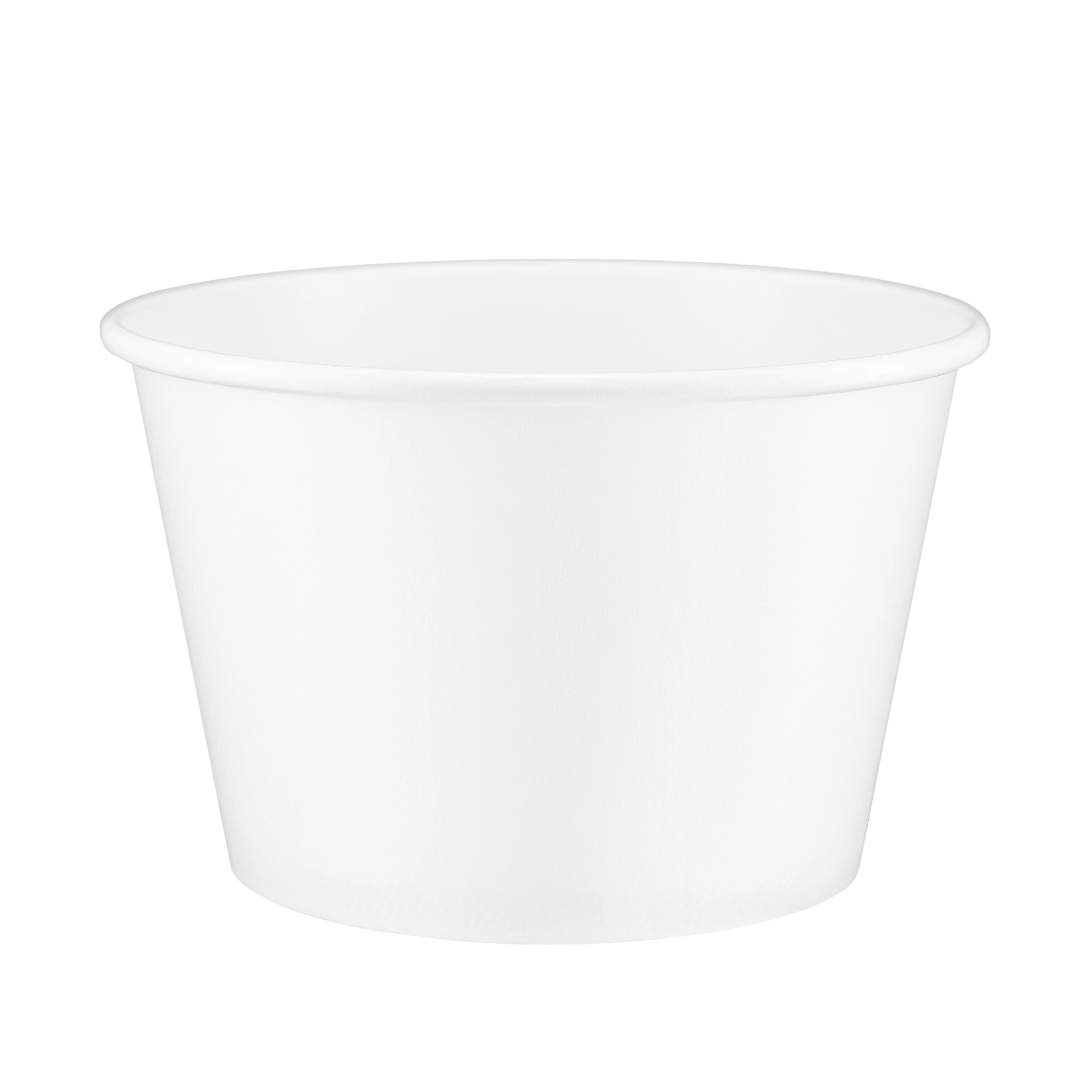
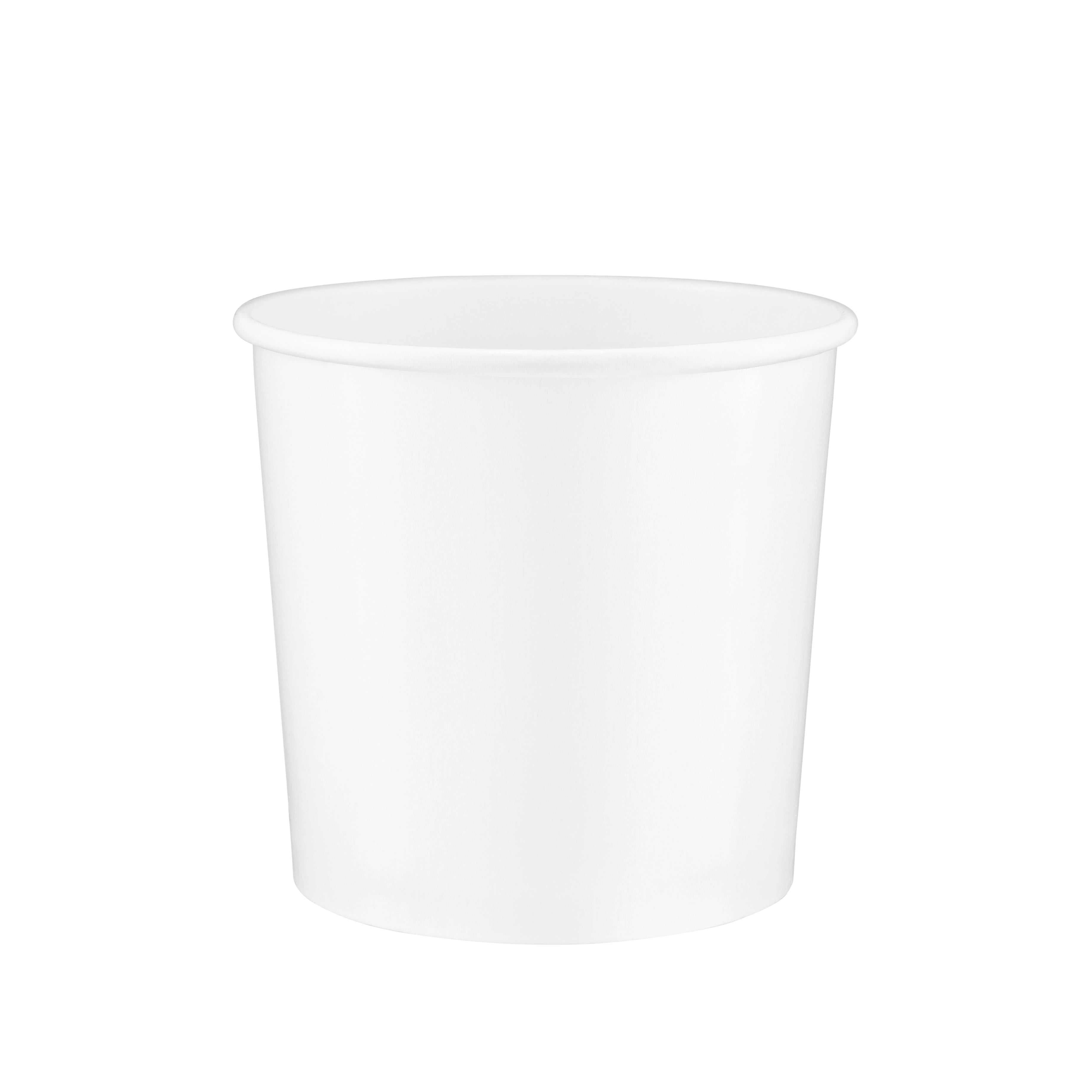
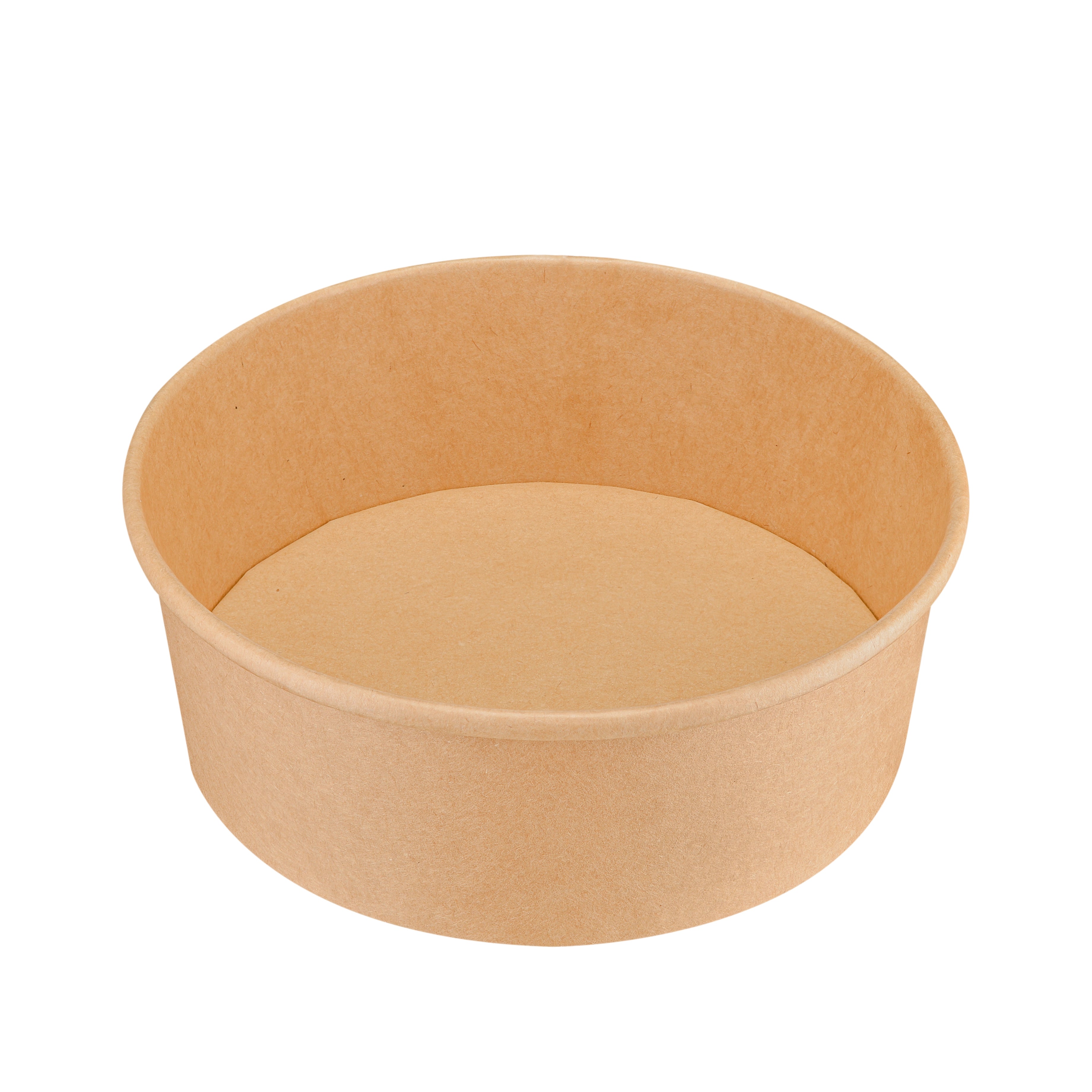
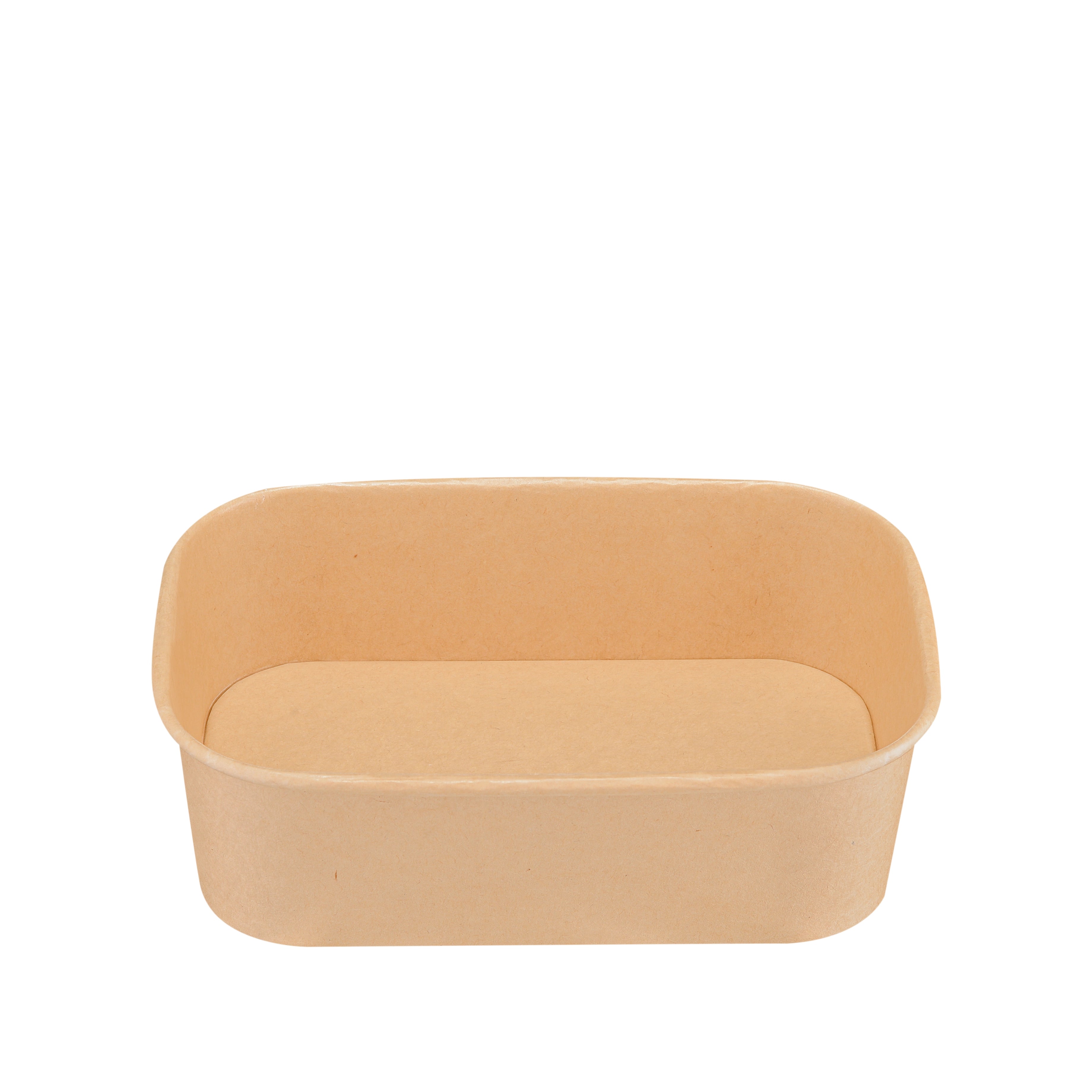
What is kraft paper? Kraft paper is made using the kraft process, which converts wood chips into paper pulp using chemicals to separate the cellulose fibres. “Kraft” comes from the German word for strength — kraft paper is notably stronger than standard paper. Unbleached kraft has the familiar brown colour; bleached kraft is white.
How do bagasse and kraft packaging compare?
| Bagasse | Kraft paper | |
|---|---|---|
| Material source | Sugarcane waste (agricultural by-product) | Wood pulp (typically FSC-certified timber) |
| Compostable? | Yes — industrially & often home compostable | Yes — industrially & home compostable |
| Recyclable? | Yes (paper stream if clean) | Yes (paper stream) |
| Heat resistance | Excellent — microwave-safe, suitable for hot food | Good — handles hot food, not microwave-safe (standard containers) |
| Grease resistance | Good — handles oily and liquid food well | Good (coated containers) — variable by product |
| Appearance | Cream/light grey, textured, premium-looking | Brown/kraft or white, clean, familiar |
| Cost | Higher (premium material) | Lower — typically 20–40% less per unit |
| Available formats | Plates, bowls, boxes, trays, clamshells | Cups, containers, boxes, trays, bags, bowls |
| Best for | Premium positioning, sit-down, events, eco branding | High-volume takeaway, standard service, everyday use |
Which is more eco-friendly: bagasse or kraft?
Both are significantly more eco-friendly than plastic or polystyrene, and the environmental case for each is strong. The honest answer is that the difference between the two is relatively small in the context of overall sustainability:
Bagasse eco credentials
Bagasse uses a material that would otherwise be agricultural waste, which means the packaging has a very low incremental demand on raw material resources. The production process is generally considered low-impact. Bagasse is compostable under both industrial and often home conditions, meaning it has broader end-of-life options than kraft in practice.
Kraft eco credentials
Kraft paper from FSC-certified (Forest Stewardship Council) timber is produced from a sustainably managed resource. Kraft packaging is widely recyclable in the paper stream, which is more accessible to most UK businesses than industrial composting facilities. Kraft paper production is a well-established, efficient industrial process.
For most UK food businesses, the practical eco distinction between bagasse and kraft is less about the materials and more about end-of-life: if you have access to industrial composting, bagasse is a strong choice. If your customers are putting packaging in kerbside recycling, kraft’s recyclability is a practical advantage.
Which is right for your food business?
- Choose bagasse for premium positioning or events — Bagasse plates and bowls look genuinely different from standard packaging. They photograph well, they feel substantial, and they signal quality. They’re particularly well-suited to event catering, street food with a premium offering, or any sit-down service where presentation matters. LumaPack’s 9” Bagasse Round Plates (£28.99/case of 500) and 16oz Round Bagasse Bowls (£49.99/case of 1,000) are popular choices for high-end events and fast-casual dining.
- Choose kraft for everyday high-volume takeaway — Kraft food containers, boxes, and bags are the workhorses of UK takeaway packaging. They’re cost-effective, reliable, and familiar to customers. For a busy takeaway serving 100–200 covers per service, the cost difference between bagasse and kraft adds up quickly. No.3 Kraft Food Containers (£33.99/case of 200) are a go-to for restaurant-style portions.
- Use both for different parts of your menu — Many food businesses mix the two: kraft containers for the main portion, bagasse plates or bowls for premium items or weekend specials. This gives you cost control on high-volume items while allowing you to use bagasse where it has the most impact.
LumaPack’s bagasse and kraft ranges
LumaPack stocks a comprehensive range of both materials, priced for wholesale ordering:
- Full Bagasse Range — plates (6”–10”), round and oval, bowls (12oz, 16oz), clamshells, burger boxes, trays, and fish & chip boxes.
- Kraft Food Containers — No.1 through No.8 kraft and white containers, bowls (500ml–1300ml), boxes, and bags.
Ready to stock up? Browse LumaPack’s bagasse range and kraft containers — UK wholesale pricing, free delivery over £100, 24–48h dispatch.
Summary
Bagasse offers premium appearance, excellent heat resistance, and compostable credentials from an agricultural by-product. Kraft offers cost-effective, familiar packaging that’s recyclable and suitable for high-volume takeaway use. Both are significantly better than plastic or polystyrene. For most UK food businesses, the best approach is to use kraft as the everyday workhorse and reserve bagasse for items where presentation and eco signalling have the greatest impact.
Frequently Asked Questions
Is bagasse packaging better than kraft for hot food?
Both handle hot food well. Bagasse has the edge for very hot or oily food and for microwave-safe requirements — its moulded structure is highly heat-resistant. Standard kraft food containers handle hot food very well for normal service and delivery times. For soups or very liquid dishes, use a bowled container with a lid in either material.
Can bagasse plates be used in the microwave?
Yes — bagasse is microwave-safe, which is one of its practical advantages for delivery and takeaway use. Customers can reheat food directly in the bagasse container without transferring it to another dish. Standard kraft paper food containers are not typically microwave-safe, so this is a genuine functional advantage for bagasse.
How much more expensive is bagasse than kraft?
At wholesale prices, bagasse typically costs 20–40% more per unit than equivalent kraft packaging. For a bagasse plate at around 6–8p per unit versus a kraft container at around 4–6p, the difference is 2–4p per serving — meaningful for high-volume everyday use, but manageable for premium items or lower-volume service.
Is bagasse really made from sugarcane waste?
Yes. Bagasse is the fibrous residue left after sugarcane stalks are crushed to extract their juice for sugar production. Without being turned into packaging (or used for fuel), this material would be agricultural waste. This is why bagasse is considered a particularly low-impact packaging material — it uses a by-product that already exists, rather than creating demand for a new raw material.