What does “eco impact” actually mean for food packaging?
Eco impact is a way of measuring how much environmental harm a packaging product causes across its full life cycle — from the raw materials used to make it, through to how it is disposed of after use. For food businesses, the most relevant factors are the material type (paper, plastic, bagasse, etc.), whether it is certified compostable or made from recycled content, and what happens to it at end of life in your local area.
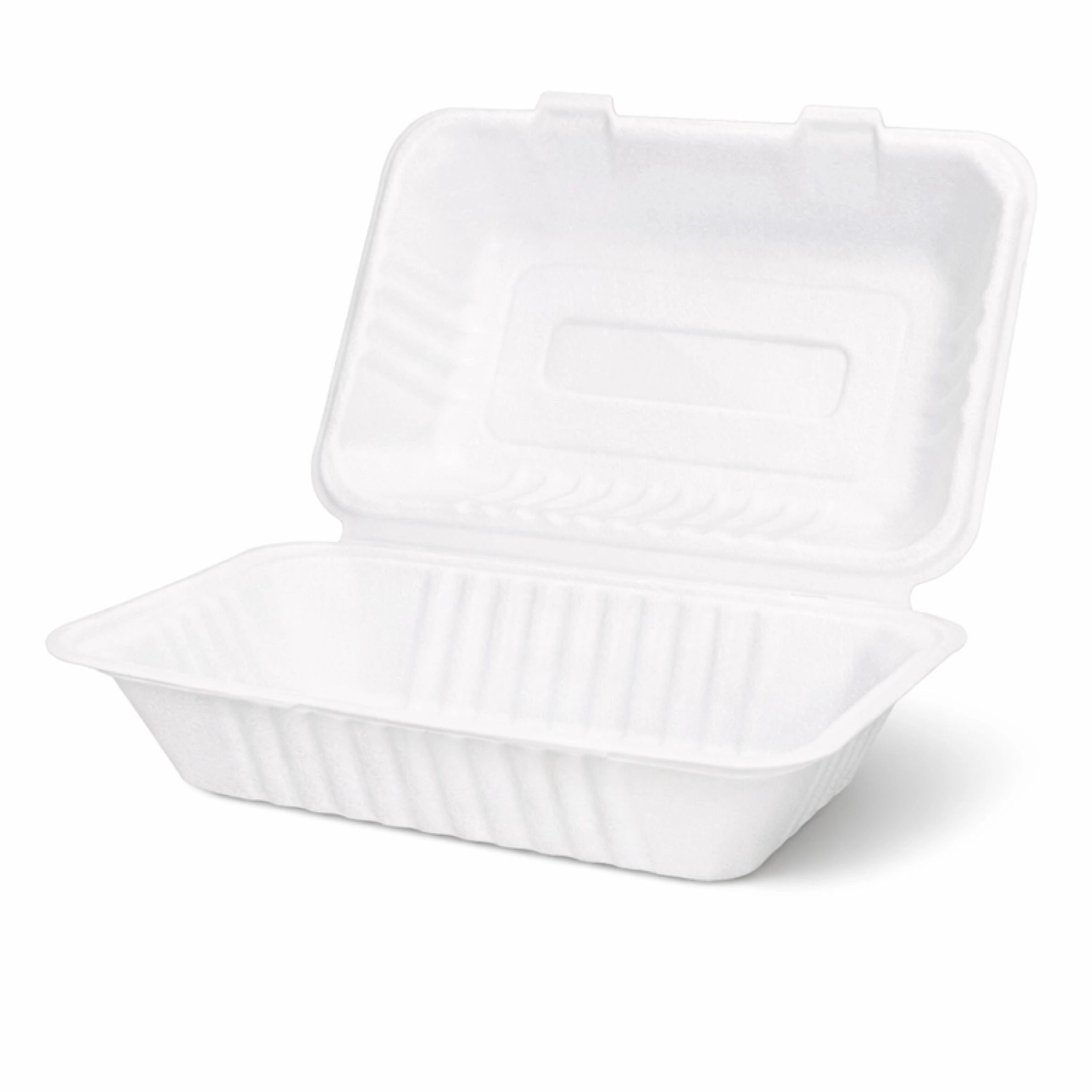
A standard polystyrene burger box, for example, takes hundreds of years to break down in landfill and cannot be composted or recycled via kerbside collections. A bagasse clamshell box made from sugarcane fibre, on the other hand, is industrially compostable and produced from a byproduct of sugar production — meaning no new trees or fossil fuels are needed to make it. The eco impact difference between the two is substantial.
What is a life cycle assessment (LCA)? An LCA measures the environmental impact of a product from raw material extraction through manufacture, transport, use, and disposal. While a full LCA requires specialist analysis, tools like LumaPack’s Eco Impact Calculator give food businesses a practical, accessible starting point based on material type and volume.
Why does measuring your packaging eco impact matter for UK food businesses?
Customers are paying closer attention to packaging than ever before. A 2024 survey by WRAP found that over 60% of UK consumers say they are more likely to return to a food business that uses eco-friendly packaging. For cafes, takeaways, and restaurants competing for regulars, packaging choices are now part of your brand identity — not just an operational cost.
There is also a regulatory dimension. The UK’s Extended Producer Responsibility (EPR) scheme, which began rolling out in 2025, requires many businesses to report on and eventually pay fees based on the amount and type of packaging they place on the market. Understanding your packaging eco impact now puts you in a better position when compliance requirements become more stringent.
| Packaging Material | Compostable? | Recyclable? | Eco Impact (Relative) |
|---|---|---|---|
| Bagasse (sugarcane fibre) | Yes — industrially compostable | No | Very Low |
| Compostable paper cups (PLA-lined) | Yes — industrial composting required | No | Low |
| Standard kraft paper containers | No | Sometimes (if uncoated) | Low–Medium |
| RPET cold cups (recycled plastic) | No | Yes — widely recycled | Medium |
| Standard single-use plastic | No | Limited | High |
| Polystyrene (EPS) | No | No | Very High |
How do I calculate the eco impact of my current packaging?
The simplest way for a UK food business to get started is to use LumaPack’s free Eco Impact Calculator. The tool asks you to input the types of packaging you currently use and your approximate weekly or monthly volumes. It then generates an impact score and highlights which product categories are contributing most to your environmental footprint.
If you want to go further, here is a practical manual process you can follow alongside the calculator:
- List every packaging item you use — Include cups, lids, containers, boxes, bags, cutlery, and straws. Even small-volume items like sauce cups and napkins add up across a year.
- Identify the material for each item — Is it standard plastic, paper, kraft, bagasse, RPET, or a compostable biopolymer (such as PLA)? Check your supplier’s product descriptions or contact them directly if unsure.
- Check for certifications — Look for EN13432 (industrially compostable), OK Compost HOME, or FSC (sustainably sourced paper). These certifications confirm the eco claims are independently verified.
- Calculate your monthly volume per item — Use your order history or till data to estimate how many units of each item you go through per month.
- Input the data into the calculator — The LumaPack Eco Impact Calculator uses material type and volume to generate your score and prioritise where to focus first.
- Identify your highest-impact swaps — The calculator will flag which items, if switched to a more sustainable alternative, would have the biggest positive effect on your overall score.
Which packaging materials have the lowest eco impact?
Bagasse containers and plates
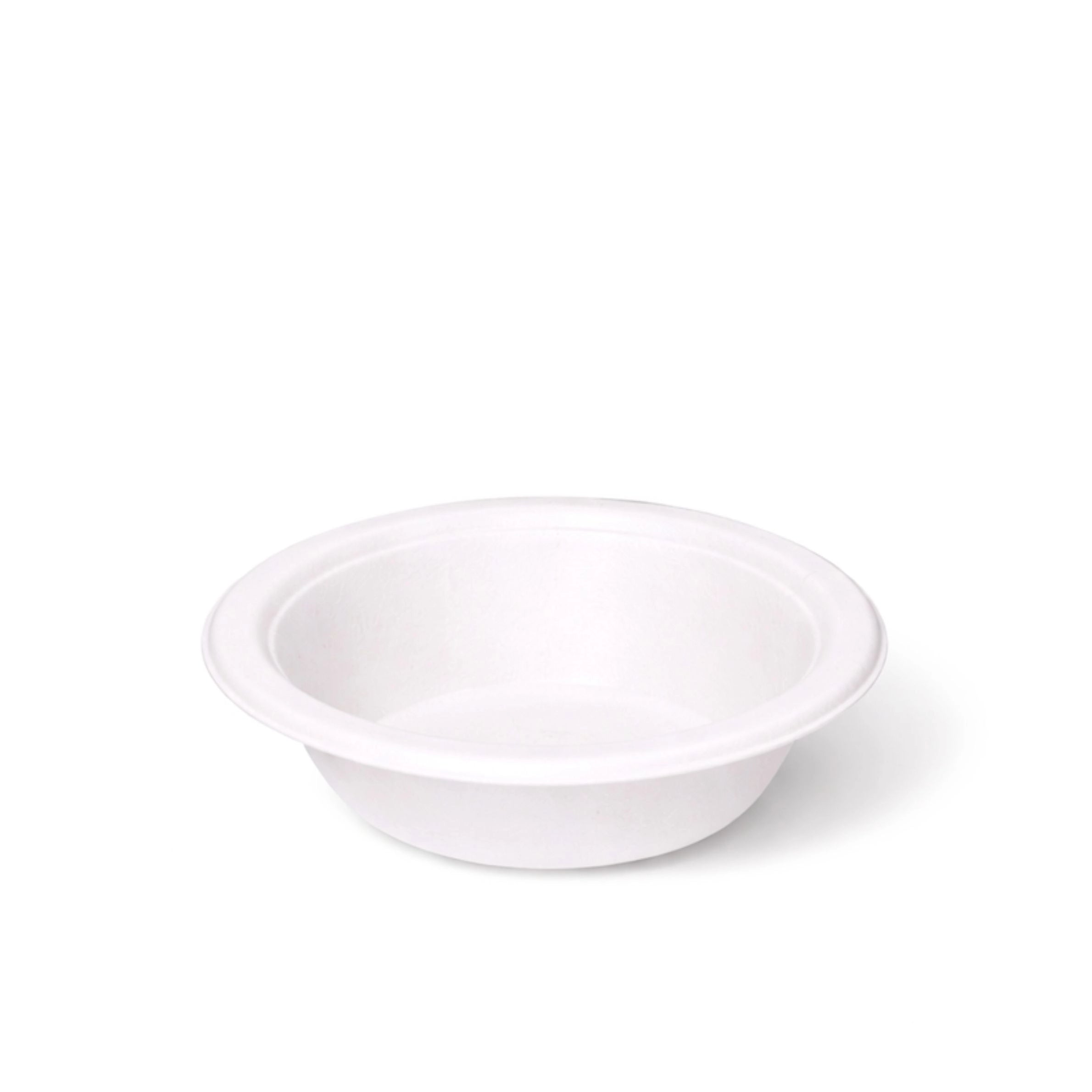
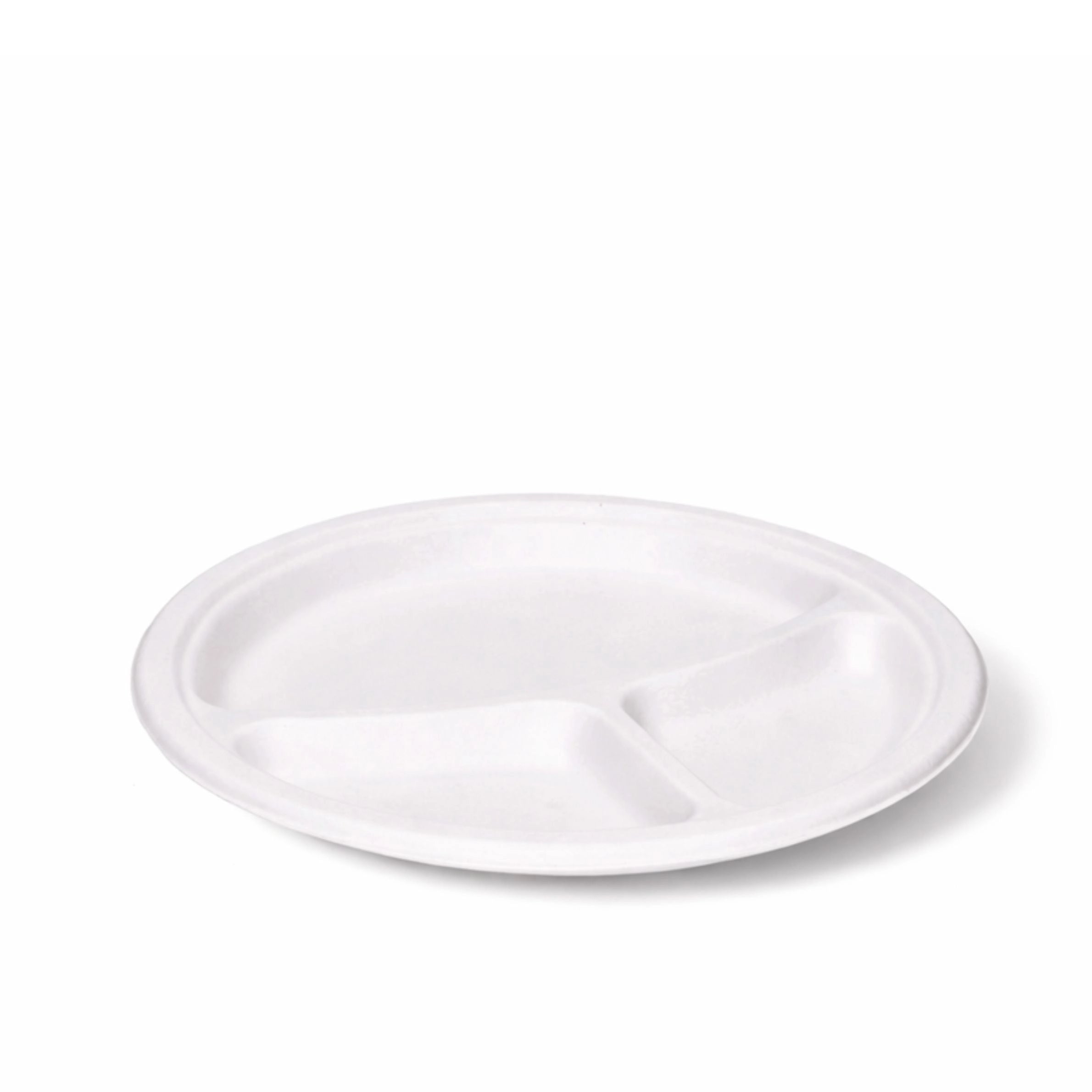
Bagasse is widely considered the most eco-friendly disposable food packaging material available to UK caterers today. It is made from the fibrous pulp left over after sugarcane juice is extracted — a byproduct that would otherwise be discarded. Bagasse products are industrially compostable, sturdy enough for hot and cold food, and grease-resistant. LumaPack’s bagasse range includes round and square plates, bowls, clamshells, burger boxes, and chippy trays.
Compostable paper cups
Standard paper coffee cups are lined with a thin layer of plastic to prevent leaks, which means they are not recyclable via most kerbside collections. Compostable paper cups use a PLA (polylactic acid) lining instead, derived from plant starch, making the whole cup industrially compostable. If your local area has access to commercial composting — or if you send waste to a commercial composter — switching to compostable cups is one of the most impactful changes a cafe can make. LumaPack’s compostable single-wall cup range covers 4oz through to 16oz in kraft and white finishes.
RPET cold drink cups
For cold drinks, RPET (recycled polyethylene terephthalate) cups are made from post-consumer recycled plastic bottles. While they are not compostable, they significantly reduce demand for virgin plastic and are themselves widely recyclable. If your business serves a high volume of iced coffees, smoothies, or cold brew, RPET cups are a practical lower-impact alternative to standard clear plastic.
LumaPack’s eco-friendly packaging range — what’s available
LumaPack stocks a wide range of lower-impact packaging across all the main categories a UK food business needs. Here is an overview by product type:
- Bagasse containers, plates, and boxes — Industrially compostable, made from sugarcane fibre. Suitable for hot and cold food. Available in rounds, squares, clamshells, burger boxes, and bowl formats.
- Compostable single-wall cups — PLA-lined paper cups in kraft finish, 4oz to 16oz. Certified compostable alternatives to standard paper cups for hot drinks service.
- Kraft takeaway food containers — Unbleached kraft board containers in No.1 to No.8 sizes. A lower-impact choice compared to white or plastic alternatives; suitable for most hot food.
- Street food and festival packaging — Kraft trays, boat trays, chip scoops, and burger boxes in materials chosen for low environmental impact and field composting where available.
Not sure which products are right for your business? Use the Eco Impact Calculator to identify your biggest opportunities, then browse LumaPack’s full eco range — UK wholesale pricing, free delivery on orders over £100, and 24–48h dispatch.
What to look for when switching to lower-impact packaging
Check the certification, not just the label
Words like “eco-friendly”, “natural”, and even “biodegradable” are not regulated terms in the UK. Any supplier can use them. What matters is whether the product carries a recognised third-party certification — EN13432 for industrial composting, OK Compost HOME for home composting, or FSC for sustainably sourced paper. At LumaPack, relevant certifications are listed on each product page.
Match the material to your waste stream
Compostable packaging only delivers its eco benefit if it is actually composted. If your premises does not have access to a commercial composter or food waste collection that accepts compostables, standard kraft or RPET may have a lower real-world impact in your situation — because they can be recycled. The Eco Impact Calculator takes your waste disposal route into account when scoring your packaging choices.
Consider the full product, not just the container
A compostable bowl paired with a standard plastic lid is not fully compostable. When auditing your packaging eco impact, treat each item as a system — container plus lid, cup plus sleeve plus lid. LumaPack’s product pages indicate which lids and accessories are compatible with each container, and whether the combination qualifies as compostable.
Don’t overlook volume
A high-volume item — like a coffee cup used 400 times a day — has far more eco impact than a low-volume one like a sauce cup used 20 times a day. The calculator helps you prioritise by flagging the changes that will actually move the needle, rather than encouraging you to focus on low-volume premium items that look good but have limited impact at scale.
Summary
Measuring and reducing the eco impact of your food packaging starts with understanding what you’re currently using and where it ends up. LumaPack’s free Eco Impact Calculator gives UK food businesses a fast, practical way to score their packaging and identify which switches will make the most difference. For businesses looking to make those switches, LumaPack’s bagasse range and compostable cup range are the most impactful starting points for the majority of cafes, takeaways, and restaurants.
Frequently Asked Questions
How do I calculate the eco impact of my food packaging?
The quickest method is to use LumaPack’s free Eco Impact Calculator, which scores your packaging based on material type and volume. For a more detailed audit, list every packaging item you use, identify the material and any certifications it carries, and estimate your monthly usage per item. The calculator then tells you which changes would have the biggest positive impact.
Which food packaging material has the lowest eco impact?
Bagasse (sugarcane fibre) packaging is generally considered the lowest eco-impact disposable material currently available to UK food businesses. It is made from a byproduct of sugar production, is industrially compostable, and requires no new trees or fossil fuels to produce. Compostable paper cups (PLA-lined) and RPET cold cups are also strong lower-impact choices depending on your waste disposal route.
Is “biodegradable” packaging better for the environment than standard packaging?
Not necessarily. “Biodegradable” is not a regulated term in the UK, so it tells you very little about how a product will actually break down or whether it is safe to compost. Certified compostable packaging (carrying EN13432 or OK Compost certification) gives you a specific, independently verified guarantee about how the product will break down under controlled conditions. For most food businesses, certified compostable or recycled-content materials are more reliable eco choices than products labelled only as “biodegradable”.
Do I need to switch all my packaging at once to reduce my eco impact?
No — and trying to do so at once is rarely cost-effective. The most practical approach is to identify your highest-volume items first (usually cups, containers, and boxes) and switch those to lower-impact alternatives. The LumaPack Eco Impact Calculator will highlight your highest-priority swaps so you can phase changes in a way that fits your budget and ordering cycle.
Does compostable packaging cost more than standard packaging?
Generally yes, compostable packaging carries a modest price premium over standard plastic or lined paper products — typically 10–30% depending on the product. However, the gap has narrowed significantly as demand has grown. Many LumaPack customers find that the price difference is smaller than expected when ordering in wholesale quantities, and that the benefit to customer perception and brand positioning often justifies the additional cost.
Can I use the LumaPack Eco Impact Calculator for free?
Yes, the LumaPack Eco Impact Calculator is completely free to use and requires no account or sign-up. Simply enter your current packaging items and usage volumes and the tool will generate your eco impact score and recommended next steps.