Why does packaging inventory management matter for small food businesses?
Running out of cups, containers, or lids mid-service is more than inconvenient — it can mean turning customers away or sending staff to a local cash-and-carry at retail prices, costing two to three times what you’d pay wholesale. Yet most small food businesses manage their packaging stock reactively, reordering when they notice the pile getting low or, worse, when they’ve actually run out.
With a few simple systems in place, packaging stock management becomes a minor weekly task rather than an occasional crisis. The goal is to always have enough stock, never have too much (which ties up cash and storage space), and reorder at the right time.
How do you calculate your weekly packaging usage?
The starting point is knowing your usage rate. This is straightforward: for each packaging item, track how many you use in a typical week. Most food businesses have a reasonably predictable pattern — your cups-per-day figure on a Monday is probably close to last Monday’s. Here’s a simple framework:
| Item | Daily usage (typical) | Weekly usage | Case size | Weeks per case |
|---|---|---|---|---|
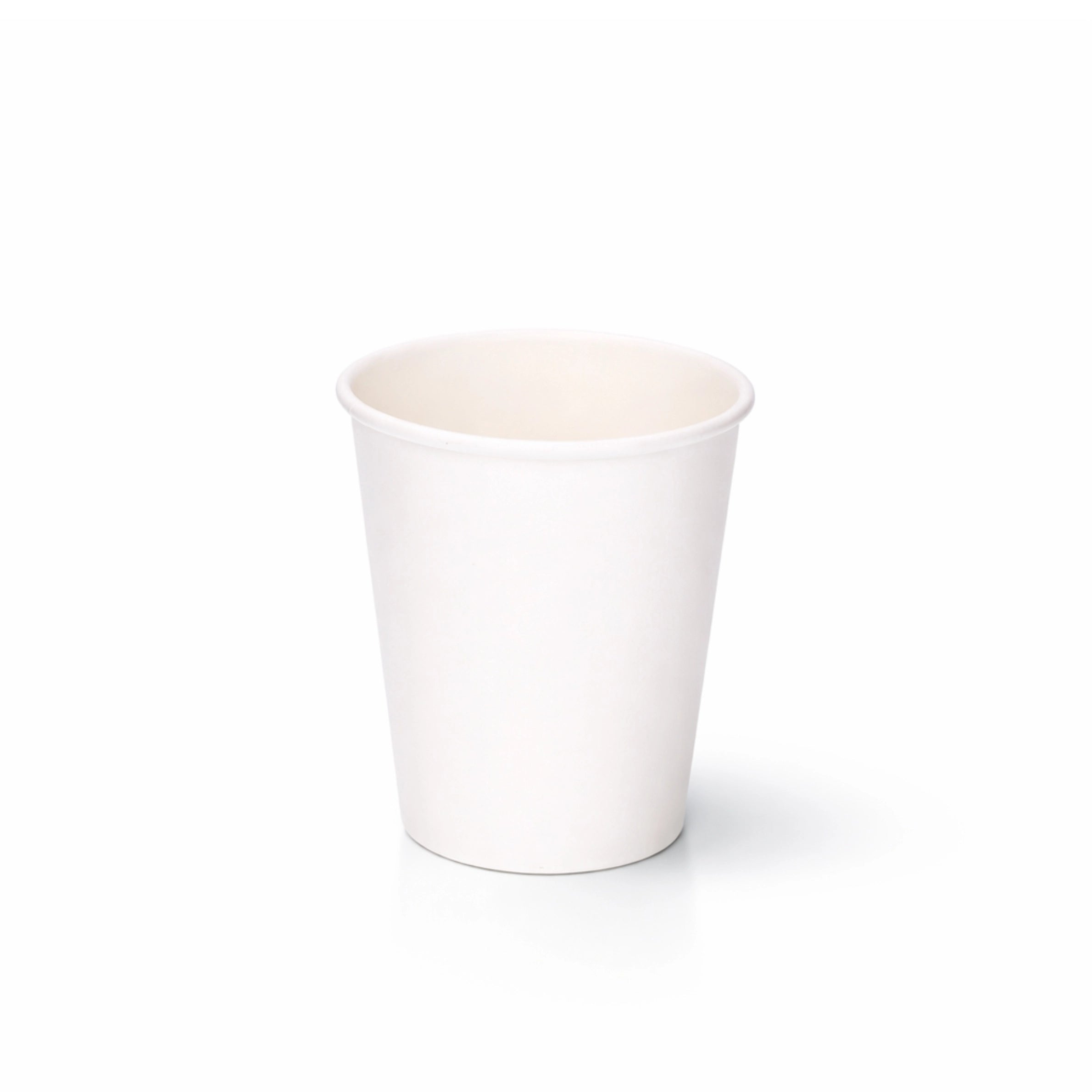
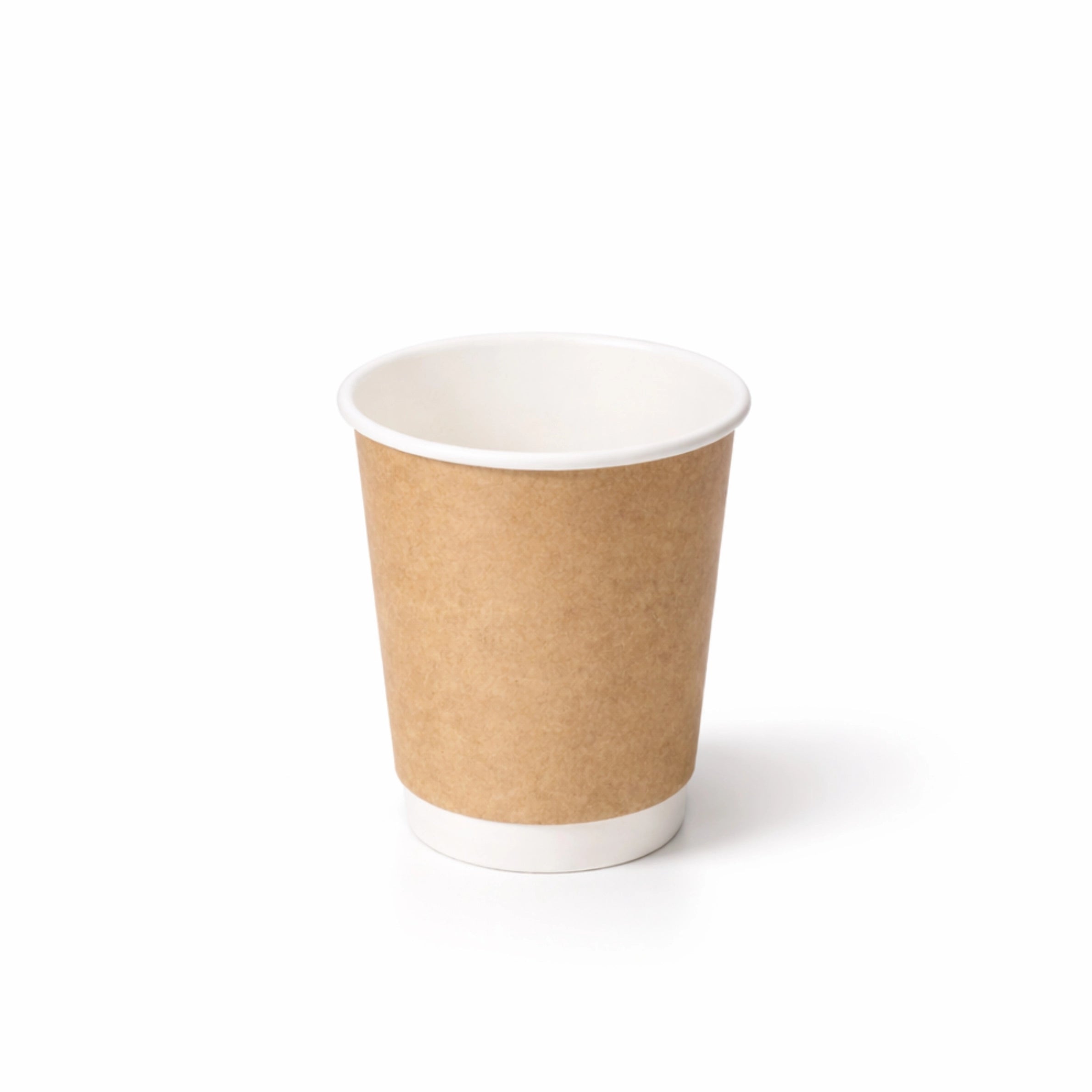
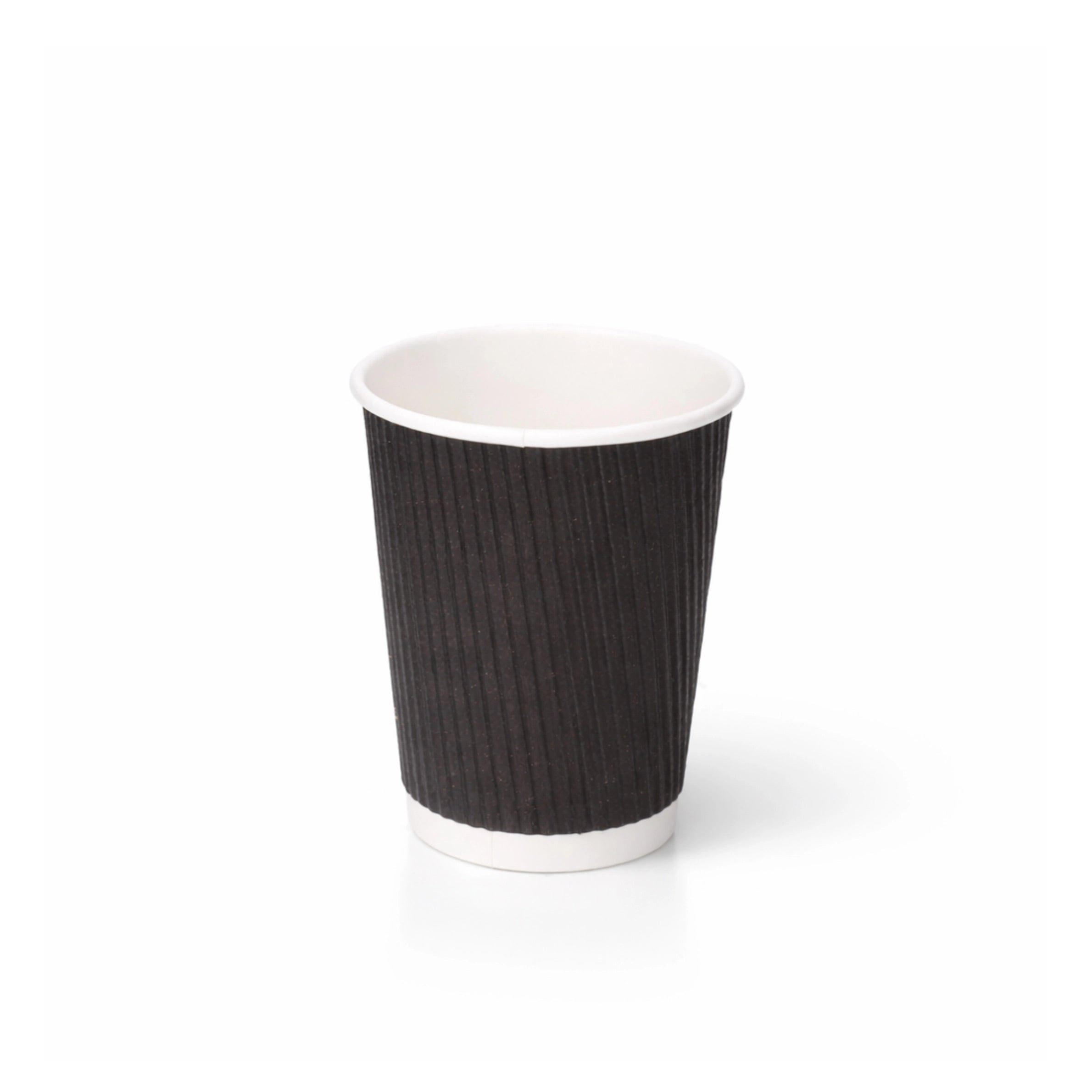
| 8oz paper cups | 60 | 420 | 500 | ~1.2 weeks |
| 12oz paper cups | 80 | 560 | 500 | ~0.9 weeks |
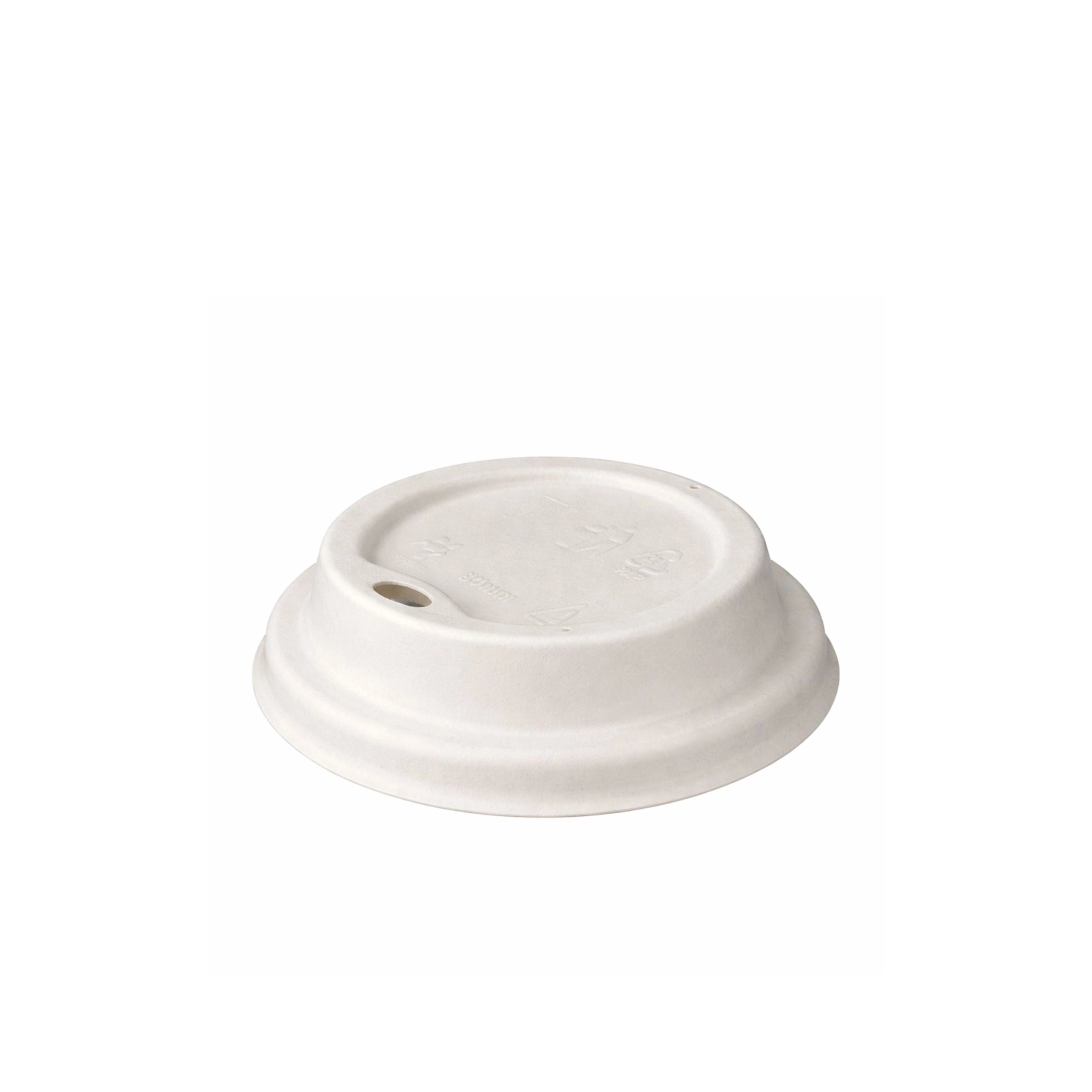
| 12–16oz lids | 80 | 560 | 1,000 | ~1.8 weeks |
| No.3 kraft food containers | 40 | 280 | 200 | ~0.7 weeks |
| Medium carrier bags | 30 | 210 | 200 | ~1 week |
Once you know how many weeks a case lasts, you can calculate a reorder point: if delivery takes 2 days and you want a 2-week buffer, reorder when you have 2 weeks + 2 days of stock remaining.
How much packaging stock should you keep on hand?
A sensible rule of thumb for most small food businesses is:
- 2–3 weeks’ buffer for high-usage items — Cups, lids, and primary food containers. These are the items that will bring your service to a halt if you run out. Keep 2–3 weeks’ stock in hand at all times, and set a reorder point at 2 weeks remaining.
- 1–2 weeks’ buffer for secondary items — Carrier bags, napkins, sauce pots, wooden cutlery. Important but less service-critical. A 1–2 week buffer is sufficient.
- Seasonal adjustment for peak periods — If your business has a clear seasonal peak (summer, Christmas, Bank Holiday weekends), increase your buffer by 50–100% in the weeks leading up to that period. Running out of stock on your busiest week is the worst possible time to discover your reorder point was set too low.
How should you organise packaging storage?
Storage organisation seems trivial but it has a direct effect on how well your team manages stock. A few simple principles:
First in, first out (FIFO)
New stock goes behind or below existing stock. This prevents older cases from being buried and forgotten. It matters more for items with shorter shelf lives (some eco packaging materials can be affected by humidity over time) than for standard paper or polypropylene items, but it’s a good general habit.
Dedicated packaging storage area
Keep packaging away from food storage and food preparation areas, on dry shelving above floor level. Humidity and steam are the enemies of cardboard and paper packaging. A dedicated dry store or packaging corner with clearly labelled shelves makes stock-takes faster and reduces the risk of someone grabbing the wrong item during service.
Visual reorder signals
The simplest system is a physical marker — a coloured sticky note or tape line on the shelf that marks the reorder level. When the stack drops below the line, it’s time to reorder. This works better than relying on people to notice a “low stock” situation intuitively.
How to reduce the number of packaging items you stock
One of the biggest inventory problems for small food businesses is stocking too many different packaging items — five cup sizes, three container types, multiple lid formats. Every additional SKU is another item to track, another thing that can run out, and another storage space requirement.
Standardise your cup range
Most cafes can serve their entire menu from two or three cup sizes. If you have 4oz, 6oz, 8oz, 12oz, and 16oz cups, ask whether you really need all five. Many cafes drop to 8oz (for espresso drinks) and 12oz (for everything else), possibly adding a 16oz for large drinks. Fewer sizes means fewer cases to manage and bulk discounts on fewer SKUs.
Choose containers that work across multiple dishes
A No.3 or No.4 kraft food container can handle a wide range of dishes. Rather than stocking three different container sizes, see if one or two sizes can handle 80% of your menu. Use round bowls for soups and salads, and a standard container for everything else.
Need to simplify your packaging range? Browse LumaPack’s takeaway food containers and paper cup range to find the core items that suit your menu — UK wholesale with free delivery over £100.
Summary
Good packaging inventory management for a small UK food business comes down to four things: knowing your weekly usage, setting reorder points before you run out, keeping a sensible buffer (2–3 weeks for critical items), and reducing the number of different packaging items you stock. With LumaPack’s 24–48h dispatch and free delivery over £100, reordering is quick — but a buffer always protects you from unexpected demand spikes.
Frequently Asked Questions
How often should a small cafe reorder packaging?
Most small cafes find that a weekly or fortnightly packaging order works well. If you have a reliable 2–3 week buffer, a fortnightly order cycle is sufficient for most items. High-turnover items like cups and lids may need weekly reorders depending on your volume. Setting calendar reminders for regular order days removes the reliance on someone noticing the stock is low.
How much storage space do I need for packaging stock?
The storage requirement depends on your volume, but as a rough guide: a case of 500 paper cups takes about the same space as a small cardboard box (roughly 50cm × 40cm × 40cm). A 2–3 week buffer of core packaging items for a small cafe (cups, lids, containers, bags) typically requires 1–2 square metres of dry shelving. Purpose-built storage racks are more space-efficient than stacking cases on the floor.
What happens if I run out of packaging mid-service?
If you run out of a critical item mid-service, your options are: use an alternative that’s not ideal (e.g., a larger cup for a smaller drink), pause that part of your menu, send someone to a local retailer at significant cost premium, or request an emergency delivery. None of these are good options — which is why a buffer is so important. LumaPack offers 24–48h dispatch, so if you catch low stock early you can reorder quickly.
Should I order more packaging to get a bulk discount?
Buying more per order often reduces the cost per unit and the per-order delivery cost. However, this only makes sense if you can store the additional stock properly and use it before it deteriorates. For standard paper cups and food containers, a 3–4 week stock level is practical. For eco or compostable materials, check the recommended storage conditions with your supplier, as some materials can be affected by humidity or temperature extremes over longer storage periods.